

Intent Based Marketing: How to Reach B2B Buyers at the Right Moment
B2B buyers rarely contact a company as soon as they recognize a problem. They usually research first. They search for information, read articles, compare solutions, visit company websites, download resources, review case studies, and discuss options with other people involved in the buying process. By the time they speak with sales, they may already have a clear idea of what they need and which companies they want to consider.
For B2B marketers, this creates a timing challenge. Reach out too early, and the buyer may not be ready. Wait too long, and competitors may already be part of the conversation.
Intent based marketing helps businesses understand changes in buyer behavior and identify when an account may be moving closer to a buying decision. Instead of treating every prospect the same, it uses research activity, engagement, and account information to determine which buyers may deserve attention now.
What Is Intent Based Marketing?
Intent based marketing is a B2B marketing approach that uses buyer behavior and research activity to identify companies that may be interested in a product, service, or business solution. Traditional targeting can tell you whether a company is a good potential customer. Factors such as industry, company size, location, and business model help define an ideal customer profile. But fit alone does not tell you whether that company is looking for a solution right now. Intent data provides additional context.
For example, two companies may both match your ideal customer profile. One may visit your website once and read a general article. Another may repeatedly research a topic related to your solution, engage with relevant content, and visit commercial pages. The second account is showing a different level of interest.
Intent based marketing helps marketers recognize that difference and decide where to focus their efforts.
Benefits of Intent Based Marketing
Intent based marketing helps B2B companies focus their marketing and sales efforts on accounts that show relevant signs of interest. Instead of treating every prospect the same, teams can use buyer behavior and intent data to determine where additional attention may be valuable.
Identify Accounts Showing Active Interest
Intent signals can help businesses identify accounts that are actively researching a problem, solution, service, or category related to what they offer.
Prioritize High Intent Prospects
Not every account deserves the same level of attention. Combining intent signals with account fit, recency, and engagement can help marketing and sales teams prioritize accounts more effectively.
Improve the Timing of Sales Outreach
Reaching out too early can result in low engagement. Intent based marketing helps teams recognize changes in buyer behavior so outreach can happen when there is stronger evidence of interest.
Personalize Buyer Engagement
Understanding what an account is researching can help businesses make their content, messaging, and sales conversations more relevant to the buyer’s current needs.
Improve Lead Quality and Pipeline Efficiency
Intent data can add context to traditional lead generation and qualification. When meaningful intent is combined with strong account fit, businesses can focus more attention on opportunities that are more relevant to their target market.
How Does Intent Based Marketing Work?
Intent based marketing works by combining buyer behavior, research activity, and account information to determine which companies may be showing meaningful interest.
The process typically follows four steps:
1. Identify Your Ideal Customer Profile
Start by defining the companies that are most valuable to your business. Consider factors such as industry, company size, geography, business needs, and other characteristics that define a strong customer fit.
2. Collect Relevant Intent Signals
Monitor behaviors that can provide insight into what an account is researching. These may include website activity, content consumption, search behavior, comparison research, service page visits, and other relevant engagement.
3. Identify and Prioritize High Intent Accounts
Evaluate intent signals alongside account fit, relevance, recency, and frequency. A single interaction may provide limited insight, while repeated activity around a relevant topic can provide stronger context.
4. Match Engagement to Buyer Readiness
The response should reflect the account’s stage in the buying journey. Educational content may be appropriate during early research, while personalized outreach may make more sense when an account shows stronger commercial intent.
The goal is not to react to every signal. It is to identify meaningful patterns and use them to make better marketing and sales decisions.
How Intent Based Marketing Supports B2B Lead Generation
Lead generation helps B2B companies attract and capture potential customers. But generating a lead does not always mean that the company is ready to have a
sales conversation.
Intent based marketing adds another layer of context by helping marketers understand how interested an account may be and whether its recent activity suggests a change in
buying behavior.
For example, a company may download an industry guide through a lead generation campaign. That interaction shows interest, but it does not necessarily mean the company is ready to speak with sales. If the same company later returns to the website, reads several related articles, visits a service page, and engages with a case study, the account is showing a stronger pattern of interest.
This information can help marketing and sales teams decide which accounts deserve more attention and when a more relevant interaction may make sense. For a broader look at attracting and qualifying potential B2B customers, see our B2B Lead Generation: The Complete Guide to Qualified Leads
Intent Based Marketing vs. Lead Generation
Although intent based marketing and lead generation both support B2B growth, they serve different purposes within the marketing process.
| Lead Generation | Intent Based Marketing |
|---|---|
| Focuses on generating and capturing potential leads | Focuses on identifying relevant buying interest |
| Measures lead acquisition and conversion | Measures intent signals and changes in account behavior |
| Primarily focuses on individual leads and their progression | Can provide insight at the account level |
| Helps measure how effectively campaigns create new opportunities | Helps identify which accounts may deserve greater attention |
| Focuses on lead volume, conversion, and funnel progression | Focuses on relevance, timing, and account prioritization |
The main difference is what each approach helps marketing and sales teams understand. Lead generation shows how effectively a business is attracting and capturing potential opportunities, while intent based marketing provides additional insight into where meaningful buying interest may be developing.
Why Timing Matters in B2B Marketing
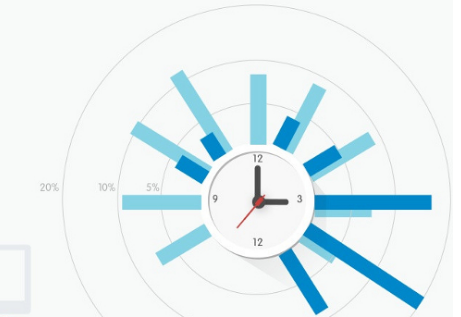
Buyer interest changes throughout the buying journey. Early research often focuses on understanding a problem. At this stage, buyers may search for definitions, trends, guides, research, or educational content.
As their understanding develops, their research may become more specific. They may begin looking for solutions, providers, features, pricing, comparisons, or customer results.
The type and frequency of these activities can provide valuable clues about where an account is in its buying journey.
The goal of intent based marketing is not to react to every interaction. Instead, it is to recognize when the available signals provide enough context to justify a more relevant and
timely response.
What Is B2B Intent Data?
B2B intent data is information about the research and engagement activities of businesses that may indicate interest in a particular topic, product, service, or business problem.
It can come from interactions with your own website or from research activity taking place across external sources.
First Party Intent Data
First party intent data comes from interactions with your business.
Common examples include:
- Website visits
- Service or product page views
- Pricing page visits
- Content downloads
- Webinar registrations
- Email engagement
- Repeat visits
- Demo requests
This data shows how an account interacts directly with your brand and can provide insight into its level of interest.
Third Party Intent Data
Third party intent data provides insight into research activity taking place outside
your website.
A potential buyer may research your category through industry publications, review websites, comparison resources, or other online sources before visiting your company.
This can help marketers identify relevant research activity earlier in the buying process.
However, intent data is a signal, not proof that an account is ready to purchase. It becomes more useful when evaluated alongside factors such as account fit, relevance, recency, and other engagement signals.
Common Sources of B2B Intent Data
B2B intent data can come from multiple sources. The usefulness of a signal depends on its relevance, recency, frequency, and connection to the account’s potential buying needs.
Common sources include:
- Website visits and page views
- Search and research activity
- Content downloads and consumption
- Webinar and event engagement
- Email engagement
- Product or service page activity
- Pricing page visits
- Review and comparison websites
- Competitor research
- Account level research activity
Using multiple sources can provide a more complete view of buyer behavior than relying on a single interaction.
Intent data should still be treated as a signal rather than proof of purchase readiness. It becomes more useful when combined with account fit and other relevant buying signals.
What Are the Most Important Buyer Intent Signals?
Intent can appear through many types of activity, but some signals provide more useful context than others.
Search and Research Activity
Search behavior can reveal what buyers are trying to understand. Early research may focus on broad questions, while later searches can become more specific and commercial.
For example:
Problem research:
“What is B2B lead generation?”
Solution research:
“B2B lead generation services”
Provider research:
“Best B2B lead generation companies”
A shift from general educational research to solution and provider research can indicate that a buyer is moving further through the buying journey.
Website Engagement
Website activity can reveal which topics are becoming more important to an account.
Relevant signals may include:
- Repeated visits
- Service page views
- Pricing page views
- Case study engagement
- Comparison page visits
- Multiple related pages viewed within a short period
A single educational visit provides limited context. A pattern of relevant activity can provide a stronger indication of genuine interest.
Content Consumption
The content a buyer consumes can help reveal what they are researching.
An introductory article may indicate early research, while detailed guides, case studies, implementation resources, and solution pages may indicate more focused evaluation.
The important factor is not simply how much content an account consumes, but what that content reveals about its current interests and stage in the buying journey.
Comparison and Competitor Research
Buyers often compare providers, approaches, features, reviews, and alternatives before making a decision.
Comparison and competitor research can therefore be particularly useful when combined with other relevant intent signals. It can provide additional context about what a buyer is evaluating and how seriously they may be considering different options.
Multiple Stakeholders From the Same Account
B2B purchases often involve several people from the same organization.
If multiple employees from the same company begin engaging with related content, the activity may indicate broader account level interest rather than the behavior of a
single researcher.
This can help marketing and sales teams identify when a buying conversation may be developing across the organization.
Other B2B Buying Signals
Digital research is not the only source of buying context. Business changes can also provide useful information when evaluated alongside behavioral intent.
Examples may include:
- New company funding or expansion
- Relevant hiring activity
- Leadership changes
- New technology adoption
- RFP activity
- New product or service launches
- Changes in business priorities
- Increased investment in a relevant business function
These signals do not automatically mean that a company is ready to buy. They are most useful when combined with relevant research activity, account fit, and other evidence of changing buyer behavior.
How to Identify High Intent Accounts
Not every account showing intent should receive the same level of attention.
A practical way to evaluate intent is to consider four factors.
1. Relevance
Is the account researching a topic directly connected to your product or service?
A high volume of activity around an unrelated topic is unlikely to represent a
valuable opportunity.
2. Recency
When did the activity happen?
Recent research is generally more useful when trying to understand current buying priorities.
3. Frequency
Is the account showing one interaction or repeated engagement?
Repeated activity around the same relevant topic can indicate that the issue has become more important to the account.
4. Account Fit
Does the company match your ideal customer profile?
Strong intent from a company that is not a suitable customer should not automatically become a sales priority.
The strongest opportunities usually combine:
Relevant intent + recent activity + repeated engagement + strong ICP fit
You can also use these factors to prioritize accounts:
| Account activity | Typical priority |
| Single educational visit | Low |
| Repeated relevant content engagement | Medium |
| Service or pricing activity | High |
| Strong ICP fit with recent, repeated intent | Very high |
The exact criteria will vary by business, but the principle remains the same: intent should help prioritize attention, not replace qualification.

What Is an Intent Surge?
An intent surge is a noticeable increase in relevant research or engagement activity from
an account.
For example, an account that previously showed little activity may suddenly begin reading several related articles, visiting solution pages, downloading resources, and researching different providers.
The important signal is the change in behavior.
An account that has occasionally visited your website for months may not require immediate attention. In contrast, an account whose relevant activity suddenly increases may indicate that the topic has become a more immediate priority.
Intent surges can therefore help marketers determine when an account deserves greater attention, particularly when the activity is relevant and the company fits the target audience.
How to Reach B2B Buyers at the Right Moment
Once an account shows meaningful intent, the next question is what to do with that information.
The response should match the buyer’s current stage rather than treating every high engagement account as sales ready.
| Buyer stage | Typical signals | Appropriate response |
| Problem research | Educational searches, introductory content | Articles, guides, research, webinars |
| Solution research | Solution pages, detailed content, use cases | Solution content, case studies, webinars |
| Provider comparison | Competitor research, comparisons, reviews | Proof, comparisons, customer results |
| Commercial evaluation | Pricing activity, repeated service visits, demo interest | Personalized outreach, consultation, demo |
When Buyers Are Learning
If an account is still trying to understand a problem, educational content is usually more appropriate than a direct sales message.
The goal is to help the buyer understand the problem and possible approaches.
When Buyers Are Researching Solutions
As the research becomes more specific, marketers can provide solution focused content that explains how the business can address the buyer’s needs.
Case studies, use cases, detailed guides, and service information can help move the conversation forward.
When Buyers Are Comparing Providers
When buyers begin comparing companies or alternatives, they need information that helps them make a decision.
Customer results, case studies, comparisons, FAQs, reviews, and detailed service information can provide useful decision making context.
When Buyers Show Strong Commercial Intent
If an account has strong ICP fit and is showing recent, repeated activity across commercial content, a more direct interaction may be appropriate. This is where intent based marketing services can help businesses identify relevant accounts, prioritize buying signals, and deliver more timely engagement.
Depending on the situation, this could include:
- Personalized email
- Sales outreach
- Consultation
- Demo
- Account based advertising
The key is to make the interaction relevant to what the account appears to be researching.
A Simple Example of Intent Based Marketing
Consider a US B2B company that provides lead generation services.
A target account first searches for information about B2B lead generation and reads an educational article. At this point, the company may simply be trying to understand its options.
Later, the account returns to the website, reads related content, and visits the lead generation service page.
A few days afterward, one employee downloads a case study while another person from the same company visits the service and pricing pages.
The account is now showing:
- Strong ICP fit
- Recent activity
- Repeated engagement
- Relevant research
- Commercial page interest
- Multiple stakeholder activity
The marketing team now has more context than it had from the first website visit.
Rather than immediately contacting the account after the first interaction, the team can increase its priority as the buying signals become stronger and tailor the next interaction to the problem being researched.
That is the central idea behind intent based marketing: use changes in buyer behavior to determine when a more relevant interaction may be appropriate.
How to Build an Intent Based Marketing Strategy
A practical intent based marketing strategy can be built around six steps.
Step 1: Define Your Ideal Customer Profile
Identify the companies that are most valuable to your business based on factors such as industry, company size, geography, business needs, and customer characteristics.
Step 2: Identify What Your Buyers Research
Understand the problems, topics, solutions, competitors, and questions that buyers typically research before making a purchase.
Step 3: Define Important Intent Signals
Determine which behaviors provide meaningful context for your business.
For example, repeated engagement with solution focused content may be more valuable than a single visit to a general educational article.
Step 4: Combine Intent With Account Fit
Evaluate buying activity alongside your ideal customer profile.
An account should not become a priority simply because it shows high activity if it is not a good potential customer.
Step 5: Match the Response to the Buying Stage
Use educational content during early research, solution focused content during evaluation, and more direct engagement when commercial intent becomes stronger.
Step 6: Measure Business Results
Track whether the strategy contributes to qualified accounts, sales conversations, opportunities, pipeline, and revenue.
Common Intent Based Marketing Mistakes
Treating Every Signal as Buying Intent
A single page visit does not necessarily mean that a company is ready to make a purchase. Intent should be evaluated based on the overall pattern of relevant activity.
Ignoring Recency
Older activity may not accurately reflect a buyer’s current priorities. Recent and relevant activity can provide a clearer indication of what an account is currently researching.
Using Only One Signal
A combination of relevant signals usually provides more useful context than a single, isolated interaction. Looking at multiple activities can help create a more accurate picture of
buyer interest.
Ignoring Account Fit
Strong interest from a company that does not match your target customer profile should not automatically become a sales priority. Intent is more valuable when combined with a strong fit between the account and your ideal customer profile.
Contacting Buyers Too Early
High engagement does not always mean that a buyer is ready or willing to speak with sales. Marketing and sales teams should consider the buyer’s level of interest and stage in the buying journey before reaching out.
Measuring Activity Instead of Outcomes
Page views, downloads, and other engagement metrics can provide useful insight, but the ultimate goal is to improve qualified opportunities, pipeline, and revenue.
How to Improve a Weak Intent Based Marketing Program
Even when a business has intent data, the program may not produce useful results. Weak performance often comes from broad targeting, unclear intent criteria, poor follow up, or a disconnect between marketing and sales.
Too Many Accounts Are Being Flagged
If almost every target account is being identified as high intent, your criteria may be
too broad.
Review the topics, behaviors, and thresholds used to identify intent. Focus on signals that are closely related to your products, services, and ideal customer profile.
High Intent Accounts Are Not Converting
High engagement does not always lead to sales conversations.
Review whether the accounts being prioritized actually match your ICP and whether the content they are consuming is connected to a problem your business can solve.
Sales Teams Are Not Responding to Intent Signals
Intent data only creates value when the business acts on it.
Marketing and sales teams should agree on which signals justify outreach, how quickly sales should respond, and what information should be included in the conversation.
Buyers Are Being Contacted Too Early
If accounts frequently disengage after sales outreach, the trigger may be happening too soon.
Review the combination of signals required before moving an account from marketing engagement to direct sales outreach.
Personalization Is Too Broad
Generic messages can reduce the value of intent data.
Use the topic being researched, the account’s industry, its stage in the buying journey, and relevant engagement history to make the next interaction more useful and relevant.
Intent Data Is Not Influencing Decisions
If teams collect intent data but continue prioritizing accounts in the same way, the data is not being integrated into the marketing and sales process.
Define clear actions for different intent levels so that the information leads to a decision rather than simply becoming another dashboard metric.
How to Measure Intent Based Marketing
Intent based marketing should ultimately be connected to measurable business outcomes.
Start by measuring how target accounts engage with your website and content. Then, track how many accounts meet your intent and ICP criteria.
From there, measure their progression through the sales funnel:
Qualified Accounts → Sales Conversations → Opportunities → Pipeline → Revenue
The goal is not simply to generate more intent signals.
The goal is to determine whether identifying and acting on meaningful intent helps your business create better sales opportunities and generate more revenue.
Frequently Asked Questions
What Is Intent Based Marketing?
What Is B2B Intent Data?
What Are Buyer Intent Signals?
What Is an Intent Surge?
Does Intent Data Mean a Buyer Is Ready to Purchase?
How Does Intent Based Marketing Help Sales Teams?
How Does Intent Based Marketing Work?
What Is the Difference Between Intent Based Marketing and Lead Generation?
What Are the Strongest B2B Intent Signals?
ON THIS PAGE
- What Is Intent Based Marketing?
- Benefits of Intent Based Marketing
- How Does Intent Based Marketing Work?
- How Intent Based Marketing Supports B2B Lead Generation
- Intent Based Marketing vs. Lead Generation
- Why Timing Matters in B2B Marketing
- What Is B2B Intent Data?
- What Are the Most Important Buyer Intent Signals?
- How to Identify High Intent Accounts
- What Is an Intent Surge?
- How to Reach B2B Buyers at the Right Moment
- Example: How Buyer Intent Changes Over Time
- How to Build an Intent Based Marketing Strategy
- Common Intent Based Marketing Mistakes
- How to Improve a Weak Intent Based Marketing Program
- How to Measure Intent Based Marketing
- FAQ
Turn Buyer Intent Into Meaningful Sales Opportunities
Mandit Global helps B2B organizations identify accounts showing meaningful buying intent, understand where they are in the buying journey, and engage them with relevant strategies that turn intent signals into qualified sales opportunities and pipeline.

SALES OFFICE
- American General Center 2929 Allen Parkway, Suite 200, Houston, Texas – 77019, USA.
- +1 254 277 8874
DELIVERY CENTER
- C Core, 4th Floor, Office No. 4030 Solitaire Business Hub, Sr. No. 207 Viman Nagar, Clover Park Opposite NECO Garden Society Pune, Maharashtra 411014
- contact@manditglobal.com